Zinc: immunity, skin and taste — and how not to overdo it
Zinc is a quiet workhorse: hundreds of enzymes depend on it, and the immune system, skin and even your sense of taste and smell feel its absence. It's also one of the minerals where dosing discipline genuinely matters — the gap between enough and too much is narrower than most people assume. Here's the full picture.
What zinc does
Zinc contributes to the normal function of the immune system — the reason it shows up in every cold-season conversation. It also contributes to the maintenance of normal skin, hair and nails, to normal wound healing, to the maintenance of normal testosterone levels in the blood, and to the normal sense of taste.
The body has no real zinc store, so it relies on steady intake from food. That's different from vitamin D or iron, which the body banks — with zinc, this week's diet is what counts.
Signs that can go with low zinc
Classic signs are frequent infections, cuts that take unusually long to close, dulled taste or smell, skin problems around the mouth and hands, and hair shedding. Loss of appetite often comes with it.
As always, each of these has other causes, and zinc blood tests are less reliable than tests for iron or vitamin D — so diet review and a doctor's judgement matter more here than lab numbers.
Who tends to run low
Meat and shellfish are the richest sources, so vegetarians and vegans need noticeably more from plant sources — and the phytates in grains and legumes reduce zinc absorption on top of that. Also at higher risk: people with digestive conditions that impair absorption, pregnant and breastfeeding women, and heavy alcohol users.
Dosing: the upper limit is real
Adults need about 8–11 mg of zinc a day, and the long-term safe ceiling from all sources is 40 mg daily. Above that, taken for months, zinc starts depleting copper — which causes its own anaemia and nerve problems. That's not a technicality; it's the most common real-world harm from zinc supplements.
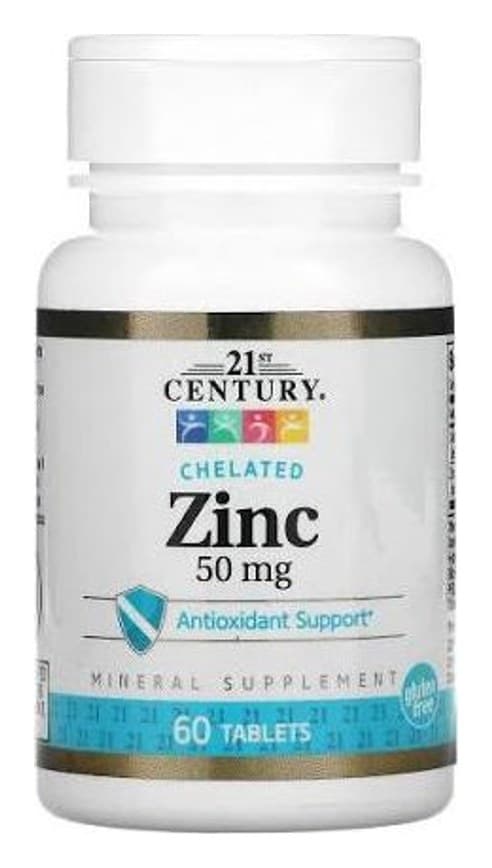
So a 50 mg tablet — a very common strength, including the one we stock — is a short-course or every-other-day tool, not a daily-forever habit, unless your doctor has told you otherwise. Zinc on an empty stomach can cause nausea; take it with food. And keep a two-hour gap from iron supplements and some antibiotics, which compete with zinc for absorption — your pharmacist can map the timing.
Food supplements are not medicines and do not treat or cure disease. Speak to your doctor or pharmacist if you are pregnant, nursing, on medication, or unsure what's right for you.