Magnesium: what it actually does, and who runs low
Magnesium sits inside more than 300 enzyme reactions — muscles, nerves, energy production, bones. It's also a mineral modern diets are consistently light on, because it lives in the whole grains, nuts and leafy greens that processed food replaced. Here's what it does, how shortfall can feel, and how to supplement sensibly.
What magnesium does
Magnesium contributes to normal muscle function — including the heart — and to the normal working of the nervous system. It plays a part in normal energy metabolism, in reducing tiredness and fatigue, and in maintaining normal bones and teeth alongside calcium and vitamin D.
Many people also take it in the evening around sleep. The evidence there is mixed but the logic is simple: magnesium is involved in the nervous system's ability to settle, and low magnesium doesn't help anyone sleep.
Signs that can go with low magnesium
The signs people notice most are muscle cramps and eyelid twitches, general fatigue, and restless or unrefreshing sleep. Appetite loss and nausea can appear when intake is genuinely poor.
As with every mineral, these signs have many other causes too. Diet is the first thing to look at: if whole grains, legumes, nuts and green vegetables are rare on your plate, low intake is likely rather than just possible.
Who tends to run low
Intake tends to fall short in people eating mostly processed food, in older adults (absorption drops with age), in people with digestive conditions that impair absorption, and in those with long-term high alcohol intake. Some blood-pressure and reflux medications also deplete magnesium over time — your pharmacist can tell you if yours do.
Food first, then supplements
Good sources are pumpkin seeds, almonds, cashews, peanuts, spinach and other leafy greens, beans, lentils, whole wheat and dark chocolate. Adults need roughly 300–420 mg a day from all sources combined.
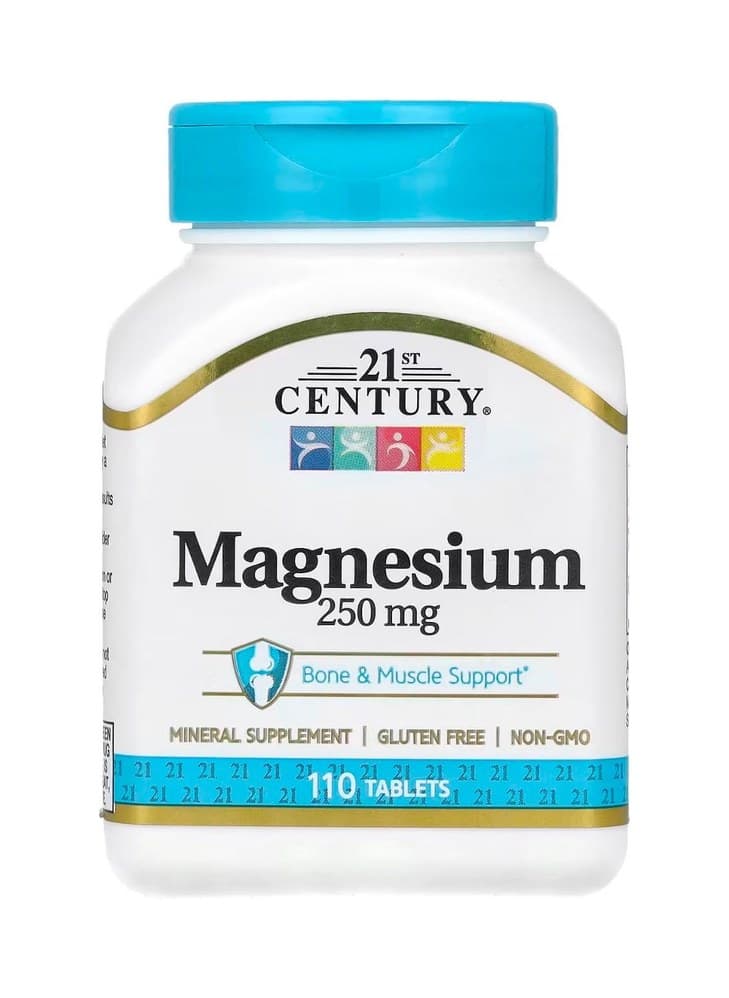
A supplement of 200–300 mg daily covers the usual dietary gap. The main side effect of too much magnesium from supplements is loose stools — if that happens, the dose is too high for you. People with kidney problems should not take magnesium supplements without their doctor's approval, because the kidneys are what keep magnesium in balance.
Food supplements are not medicines and do not treat or cure disease. Speak to your doctor or pharmacist if you are pregnant, nursing, on medication, or unsure what's right for you.