Iron deficiency: the signs, who it hits, and testing first
Iron deficiency is the most common nutrient shortfall in the world, and women carry most of it. It builds slowly, which is why the tiredness it causes is so easy to blame on everything else. This guide covers what iron does, the signs worth noticing, and why with iron — more than any other supplement — you test first.
What iron does
Iron is the core of haemoglobin, the protein in red blood cells that carries oxygen from your lungs to everything else. It also contributes to normal energy metabolism and to reducing tiredness and fatigue.
When iron runs low, the body first spends its stores (ferritin), then starts making fewer, smaller red blood cells. That end stage is iron-deficiency anaemia — but you can feel the shortfall well before anaemia shows up.
Signs that can go with low iron
The classic pattern is persistent tiredness and weakness, looking pale, getting breathless on stairs you used to manage, cold hands and feet, more hair shedding than usual, brittle nails, and sometimes odd cravings like ice.
Every one of these has other possible causes. Two blood tests — haemoglobin and ferritin — separate low iron from the alternatives, and both are routine at any Lebanese lab.
Who tends to run low
Women with monthly periods lose iron every cycle, which is why iron deficiency is several times more common in women than men. Pregnancy raises the need further. Others at higher risk: frequent blood donors, people who eat little or no red meat, teenagers in growth spurts, and endurance athletes.
Tea and coffee with meals also cut iron absorption noticeably — worth knowing in a country that runs on both.
Why you test before you supplement
Iron is the supplement not to guess with. Unlike vitamin C, extra iron isn't simply flushed out — the body has no quick way to dump a surplus, and unneeded high-dose iron can cause stomach upset and, over time, genuine harm. And if the real cause of your tiredness is something else, iron pills just delay finding out.
So the order is: test, then supplement if your doctor or pharmacist confirms you're low. Once confirmed, iron supplements are a well-established fix, and re-testing after a couple of months shows it worked.
Taking iron well
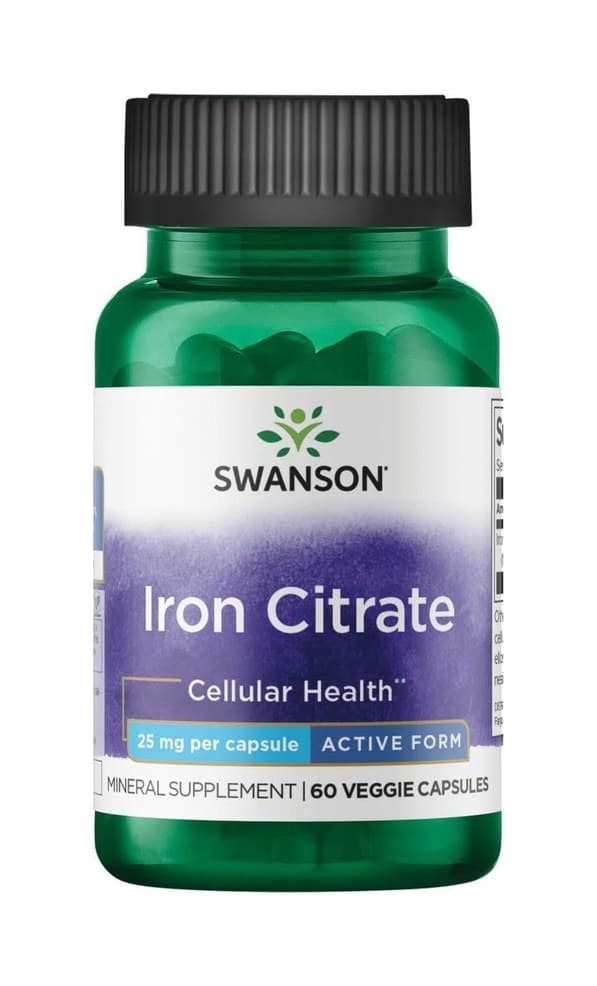
Gentler forms like iron citrate or bisglycinate are easier on the stomach than old-style iron sulfate. Vitamin C taken alongside helps absorption; tea, coffee and dairy taken alongside hinder it, so keep a gap of a couple of hours. Taking iron every other day is increasingly common advice, absorbing about as well with less stomach trouble — your pharmacist can help you pick a schedule.
Food supplements are not medicines and do not treat or cure disease. Speak to your doctor or pharmacist if you are pregnant, nursing, on medication, or unsure what's right for you.